Captains at Battle of the Bands
Denim, distortion, and a converted-church stage in Chicago. A night with Captains at Battle of the Bands, and why playing live still beats every other kind of making.
On April 16th, seven of us walked into a converted church in Chicago dressed head-to-toe in denim and played the loudest forty minutes of our year. The band is called Captains. The occasion was Battle of the Bands. This is what it felt like from behind the bass.
Before the Lights
Every gig has two versions: the one the audience sees, and the one that happens in the green room twenty minutes earlier. Ours was the usual mix of nerves and stupidity, retuning, re-taping setlists to the floor, and taking exactly one photo where everyone looks composed before it all falls apart.
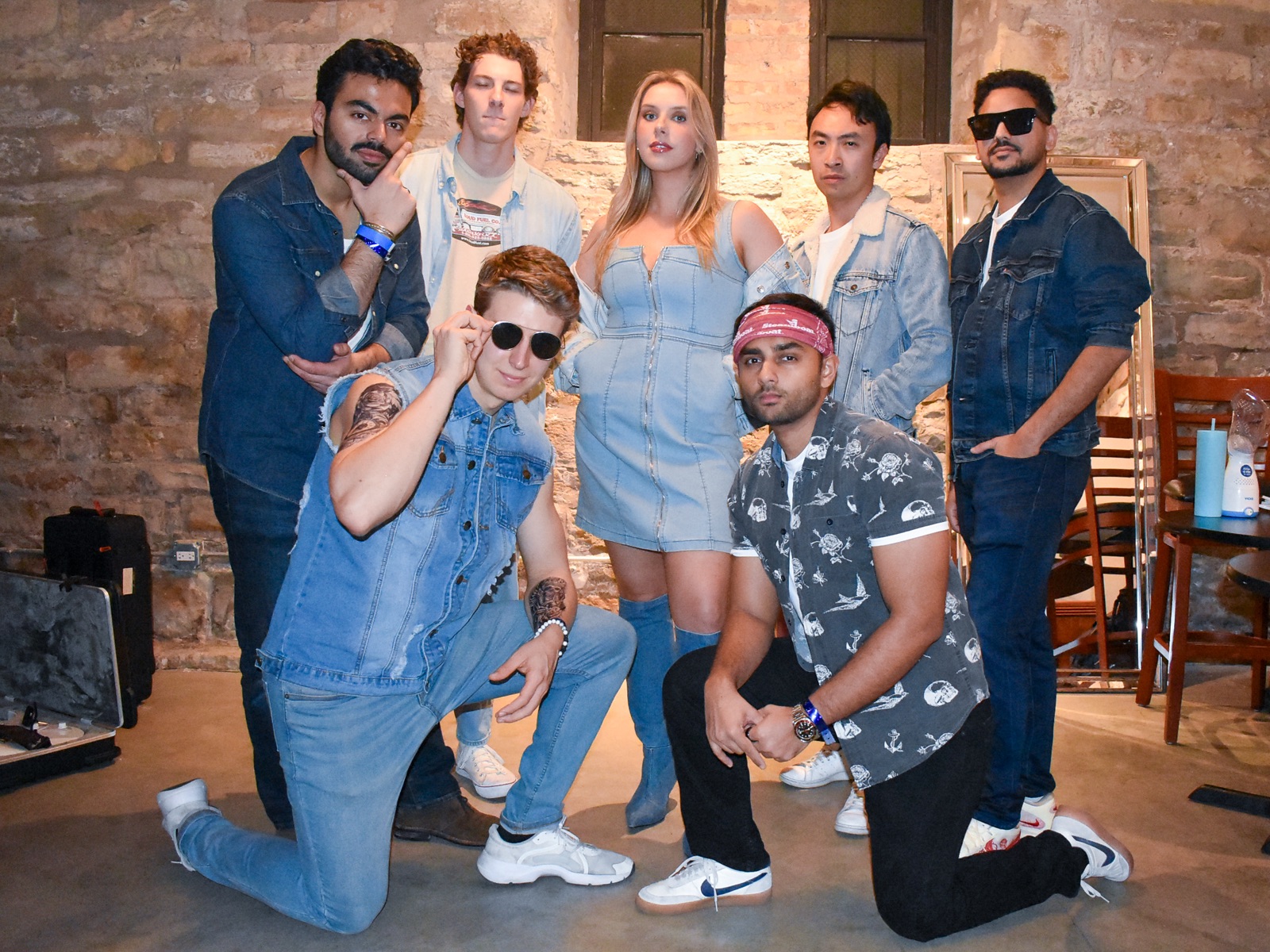 The composed one.
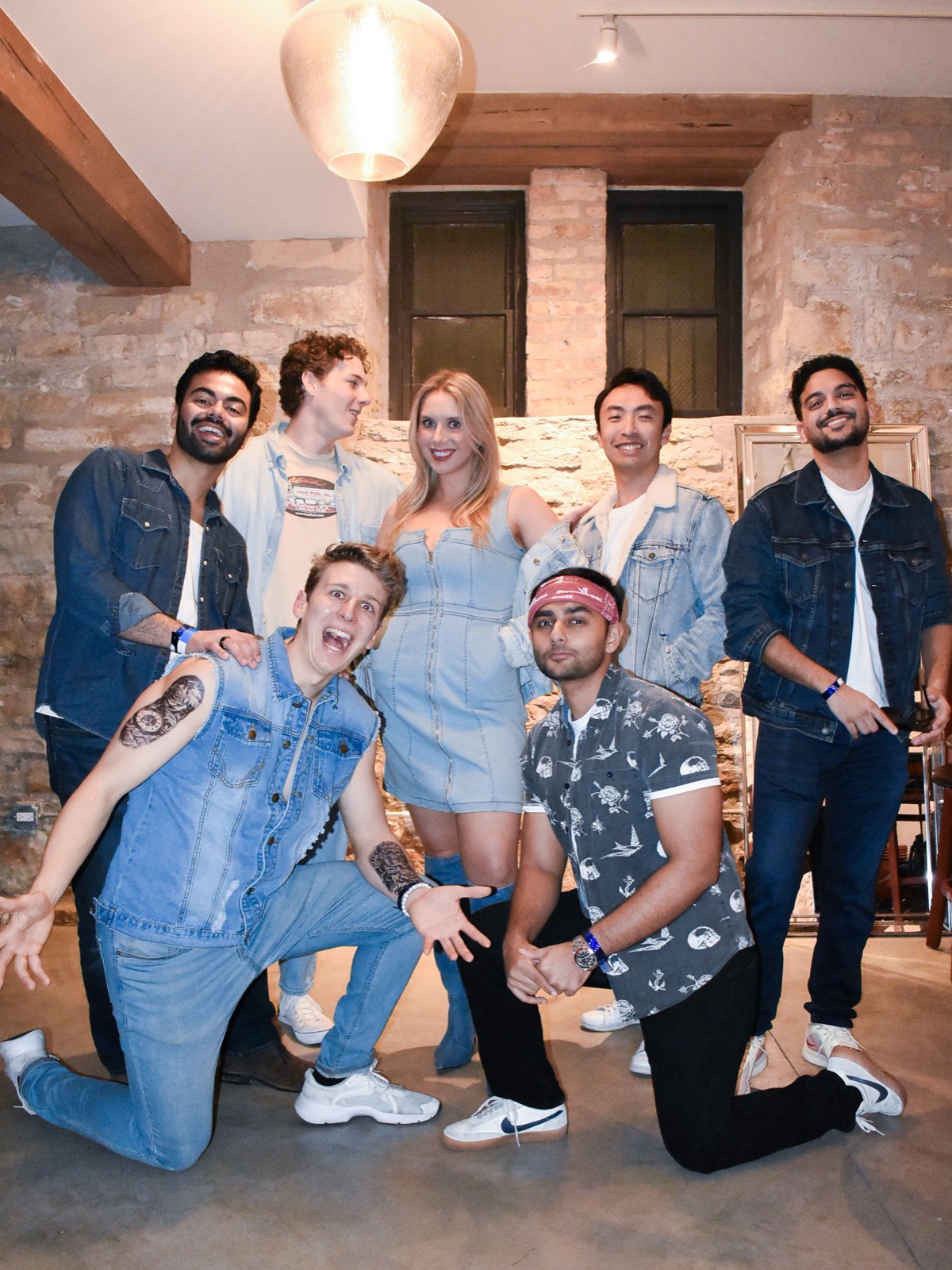 And the real one, three seconds later.
There's a specific kind of trust that only shows up right before you go on. You've rehearsed the set enough times that nobody has to say anything, you just look around the room, someone nods, and you go.
The Set
The venue was an old stone church with stained glass behind the stage and lighting that washed everything in purple and magenta. It's a strange, beautiful place to play rock music, the room has natural reverb you couldn't buy, and the saints on the walls make surprisingly good hype men.
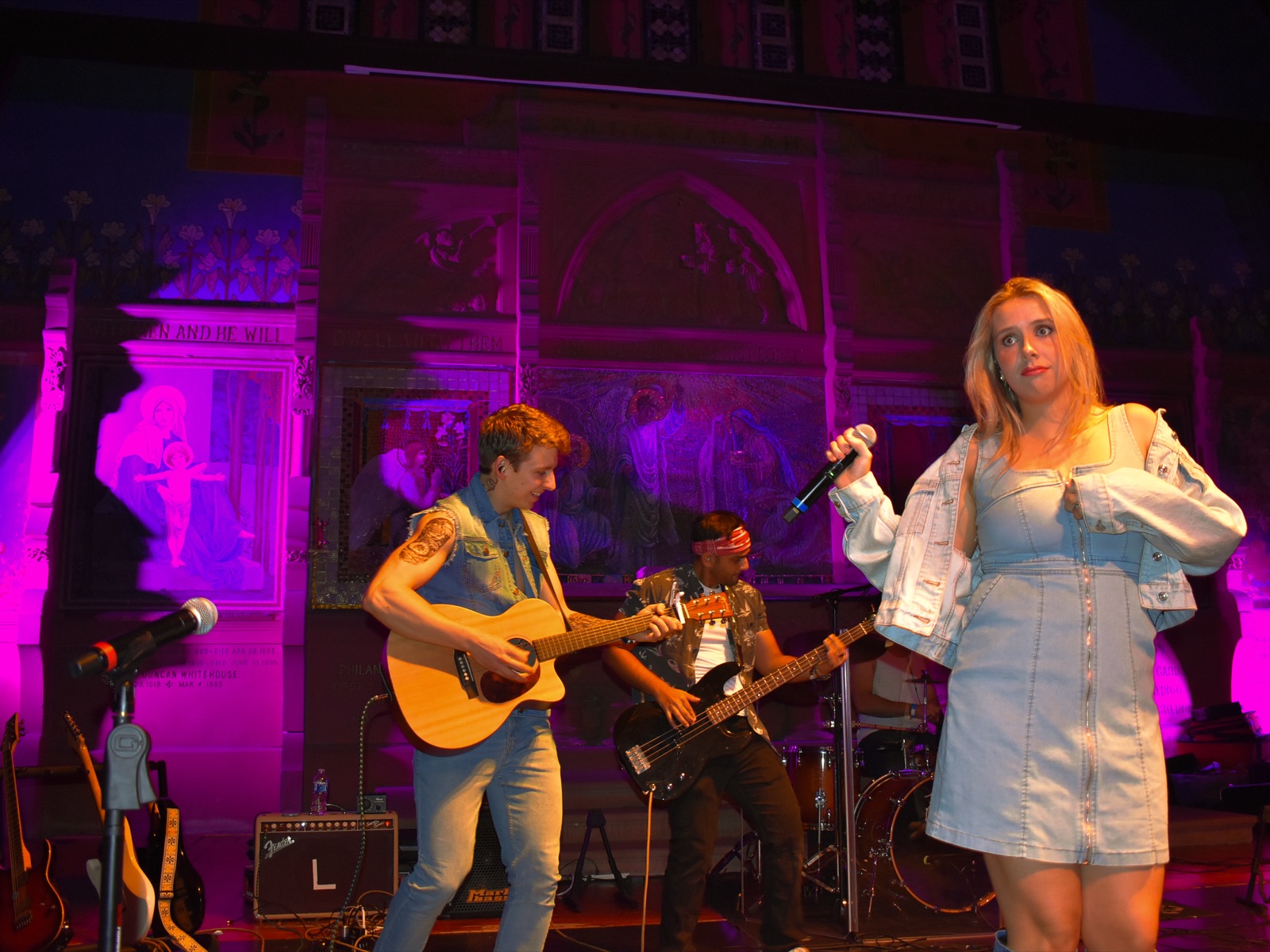 Center stage, mid-set. The room did half the work on reverb.
We came up as a covers band, which means the job isn't originality, it's delivery. A crowd already knows these songs. The only question is whether you can make a room full of people who've heard a track a hundred times feel it like it's the first time. That's the whole game.
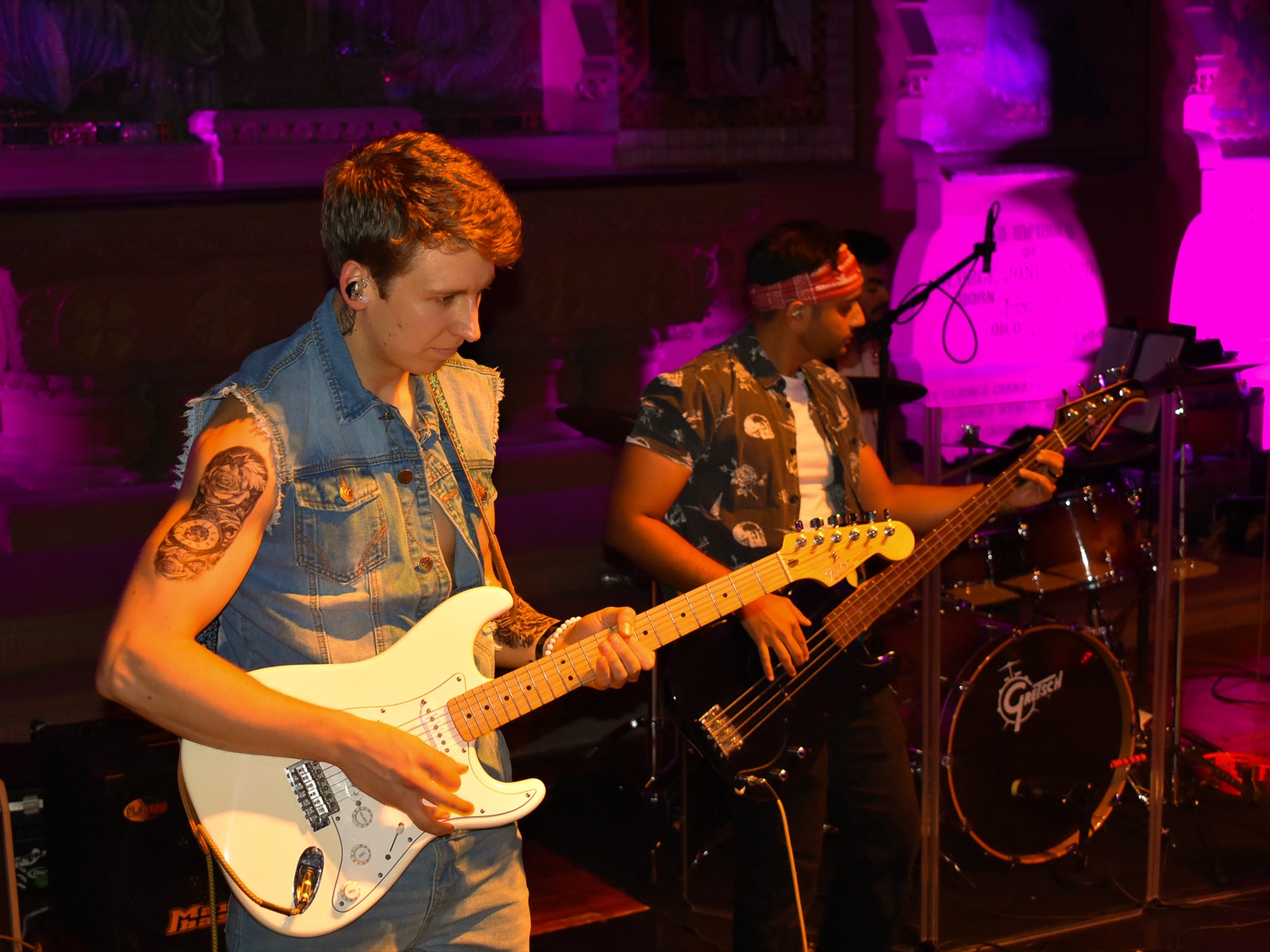 The part of the night where you stop counting bars and just listen.
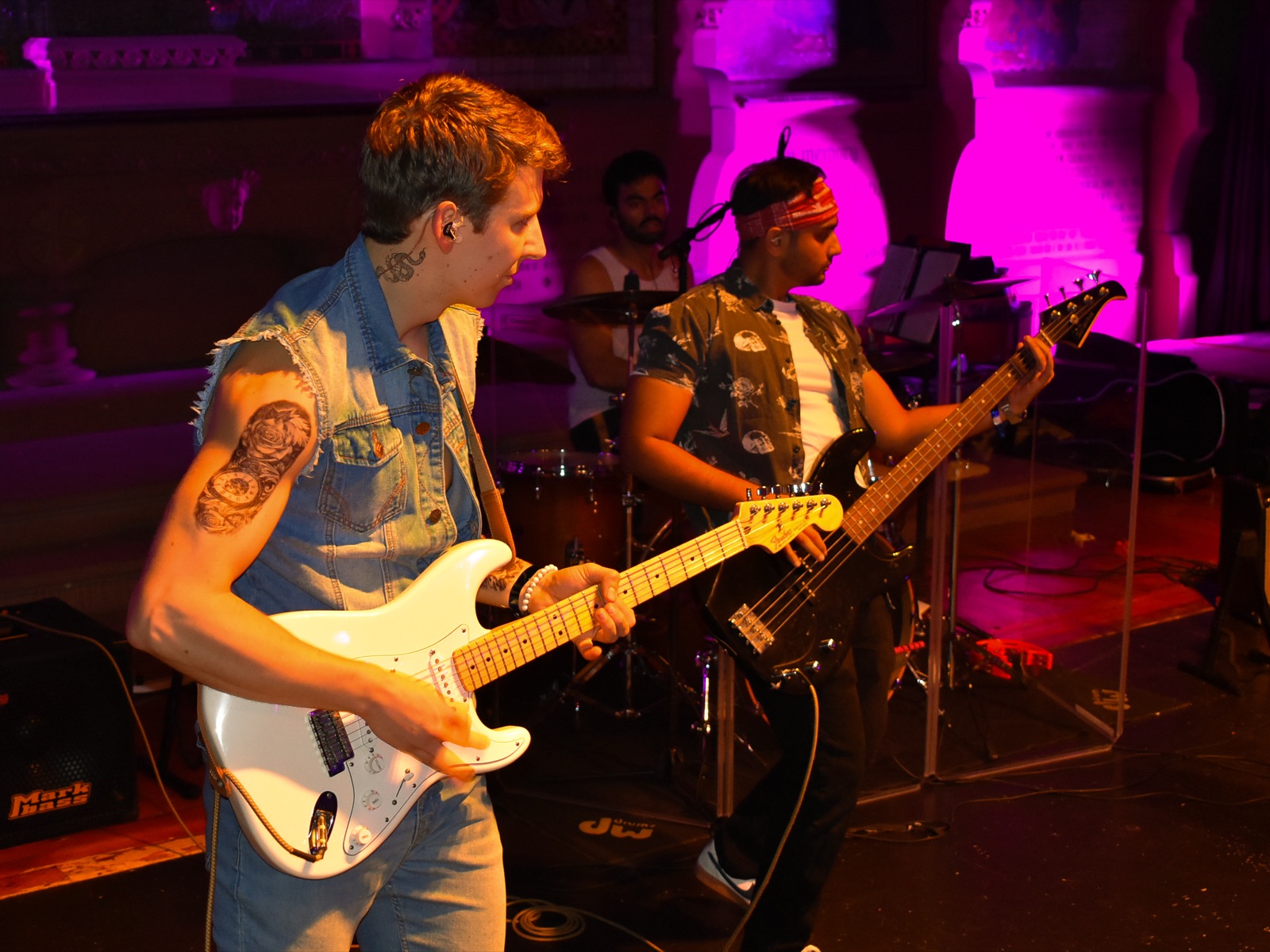 Seven people, one pocket.
The Pocket
Bass is a strange instrument to love. Nobody walks out of a show humming the bassline. But the bass is where the band actually locks together, it's the handshake between the drums and everything melodic on top. When it's working, you don't hear it. You feel it in the floor.
There's a moment in every good set where you stop thinking. The counting drops away, the nerves are long gone, and you're just in it, locked to the kick drum, eyes closed, trusting six other people completely. That moment is the reason you haul gear up and down stairs and rehearse the same eight bars until they're perfect.
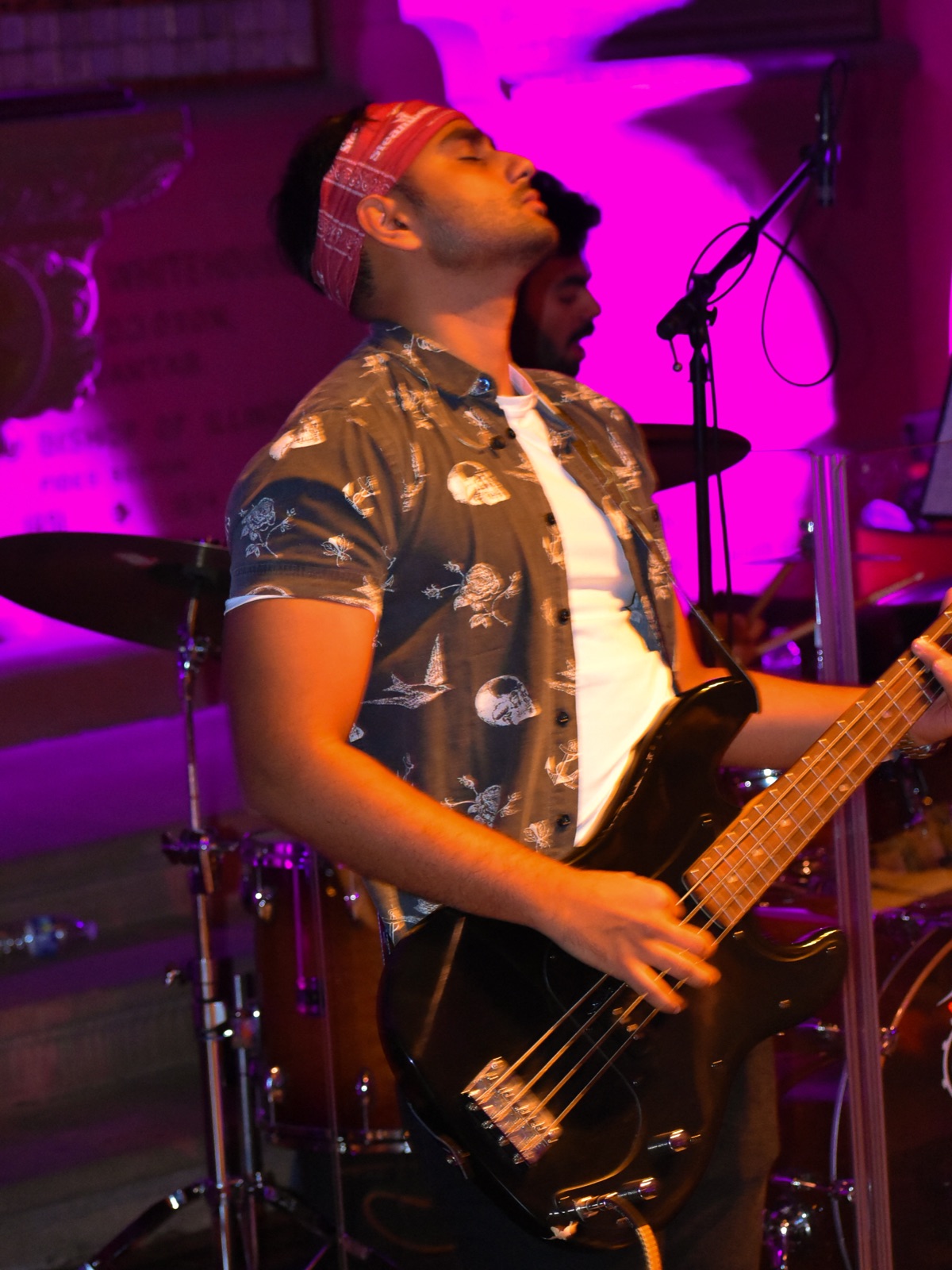 That moment.
Why Live Still Wins
I write a lot on this site about AI and generated music, about tools that can spin up a radio-ready track in thirty seconds. I believe most of what I wrote there. But a night like this is the counterargument I keep coming back to.
A model can generate a bassline. It can't generate the look you give the drummer when you both realize the crowd is finally with you. It can't generate seven people who spent weeks getting a transition right, or the specific electricity of a room deciding, all at once, to move. The song was never really the product. The night was.
However the judges scored it, we walked away sweaty, hoarse, and already arguing about the next setlist. Which, honestly, is the better prize.
Captains, Chicago, April 2026. Photos from the night.